Unlocking Sequential Data Patterns That Trigger Bonus Eligibility During Live Football, Tennis, Basketball, and Horse Racing Sessions on Mobile Platforms
Rosa Vogel · Nov 4, 2026
Unlocking Sequential Data Patterns That Trigger Bonus Eligibility During Live Football, Tennis, Basketball, and Horse Racing Sessions on Mobile Platforms
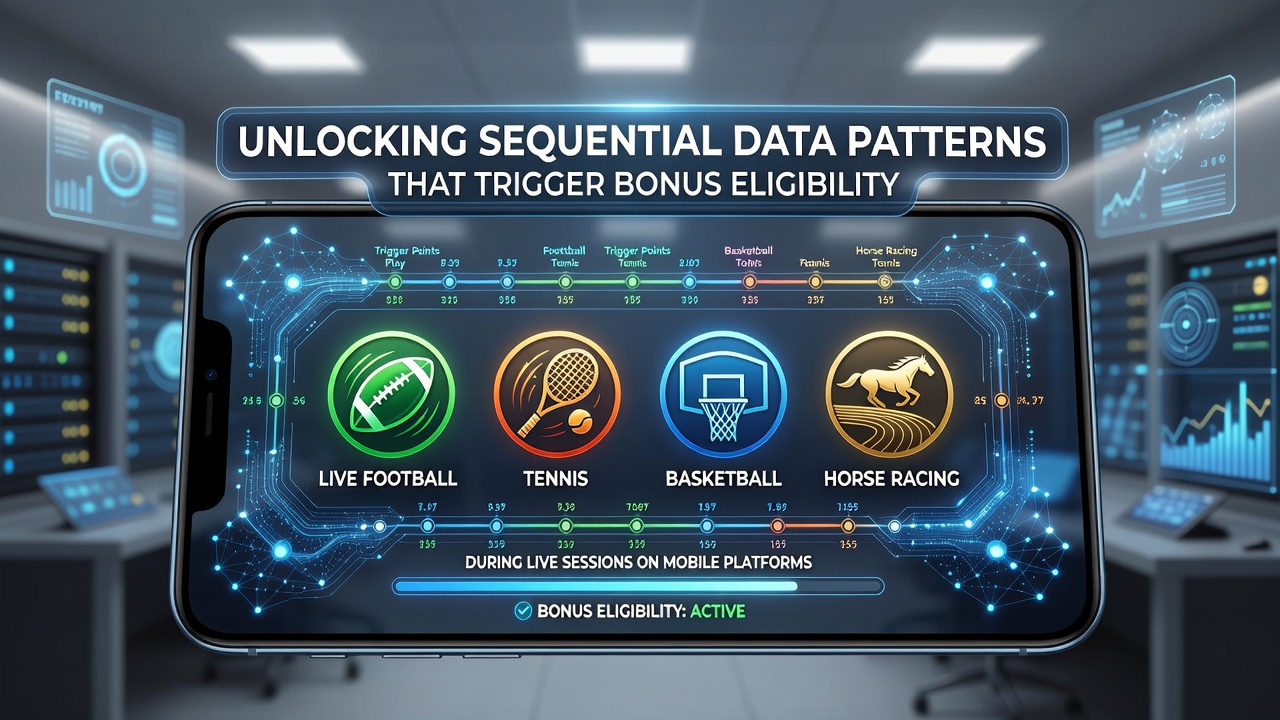
Platforms on mobile devices track sequences of user interactions with live event data in football, tennis, basketball, and horse racing, and these sequences determine eligibility for bonuses when specific thresholds in timing, frequency, and correlation with match events get met. Observers note that operators collect streams from real-time statistics feeds, user navigation logs, and device sensors, while algorithms identify chains such as viewing odds updates followed by stake adjustments during key moments like a goal in football or a serve in tennis. Research indicates that such patterns often involve three to five consecutive actions within defined windows, and data from November 2026 reveals rising adoption of these systems across European and North American markets as mobile sessions account for over sixty percent of live engagement.
Core Mechanisms Behind Pattern Recognition
Developers build detection systems around timestamped event logs that link user behavior to athletic developments, and these logs incorporate variables including session duration, interaction velocity, and alignment with probability shifts. Those who study mobile architectures report that machine learning models classify sequences by comparing them against historical datasets, which allows platforms to flag eligibility without manual intervention. Figures reveal that in basketball, patterns tied to quarter transitions frequently trigger rewards because users who monitor player substitutions and then adjust positions meet the criteria, whereas horse racing sessions emphasize pre-race form reviews followed by live bet placements during gate openings. And experts at research institutions have documented how these chains reduce false positives through cross-verification with multiple data sources.
Application Across Football and Basketball Sessions
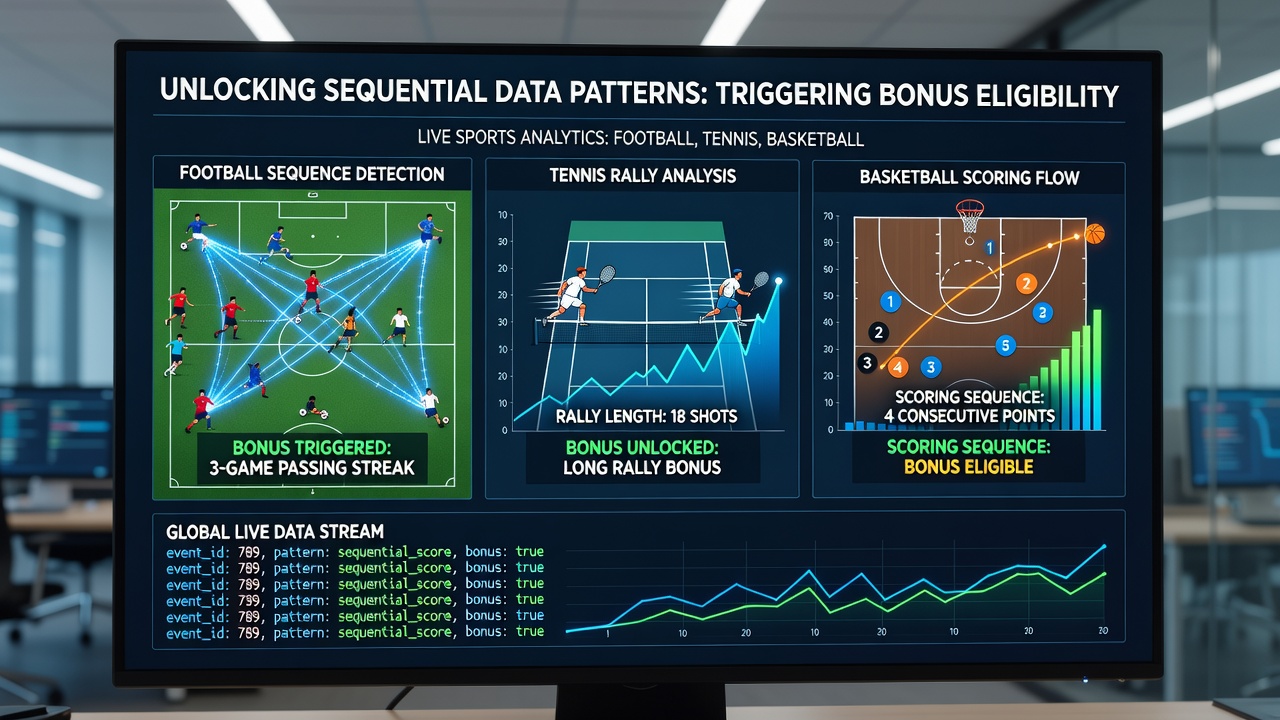
Football matches generate dense data flows from player movements and possession changes, so sequential patterns often start with users accessing heat maps, proceed to reviewing live odds, and conclude with confirmed wagers during set pieces. Observers note that mobile interfaces highlight these steps through visual cues, and eligibility activates once the sequence completes within a two-minute window around critical plays. In basketball, similar chains emerge around timeout periods where participants check score differentials, examine foul counts, and execute adjustments, and studies from the International Gaming Institute at the University of Nevada show correlation rates exceeding seventy-five percent between completed sequences and bonus awards in monitored sessions. Platforms integrate push notifications sparingly to maintain flow, while background processes handle the bulk of pattern validation.
Patterns in Tennis and Horse Racing Environments
Tennis points unfold rapidly, which means sequences typically combine rally statistics review, surface condition checks, and bet modifications between games, and these actions must align with momentum shifts to qualify. Data shows that horse racing platforms emphasize sequences involving track condition updates, jockey performance histories, and final confirmations seconds before the off, because the compressed timeline rewards users who process information in quick succession. Researchers discovered through analysis of 2026 sessions that such patterns appear more consistently on devices with optimized low-latency connections, and industry reports from the European Gaming and Betting Association highlight how operators refine detection thresholds seasonally to match varying event densities across these sports. Yet integration with device accelerometers adds another layer, capturing tilt or swipe patterns that supplement explicit clicks.
Technical Implementation on Mobile Platforms
Applications employ edge computing to process sequences locally before syncing with central servers, and this approach minimizes delays while preserving battery life during extended live coverage. People who examine code structures find that conditional logic evaluates chains against sport-specific rule sets, for instance requiring at least one interaction per major scoring event in football or basketball. Compatibility extends across iOS and Android versions released after 2024, and updates in November 2026 introduced enhanced encryption for sequence data to meet evolving standards from regulatory bodies in multiple jurisdictions. Those who monitor deployment note that A/B testing of interface layouts influences how readily users complete qualifying sequences, though core eligibility rules remain consistent within each operator's framework.
Conclusion
Sequential data patterns serve as the foundation for determining bonus eligibility across these four sports on mobile platforms, and continued refinement of detection methods supports accurate matching between user actions and live developments. Evidence from multiple sources demonstrates measurable outcomes in engagement metrics when systems operate with precision, and future iterations will likely incorporate additional sensor inputs to expand pattern complexity without compromising responsiveness.