Tracing Connections Between Real-Time Athletic Data Streams and Layered Incentive Claims in Mobile Betting Environments for Multiple Sports
Sage Hartmann · Oct 21, 2026
Tracing Connections Between Real-Time Athletic Data Streams and Layered Incentive Claims in Mobile Betting Environments for Multiple Sports
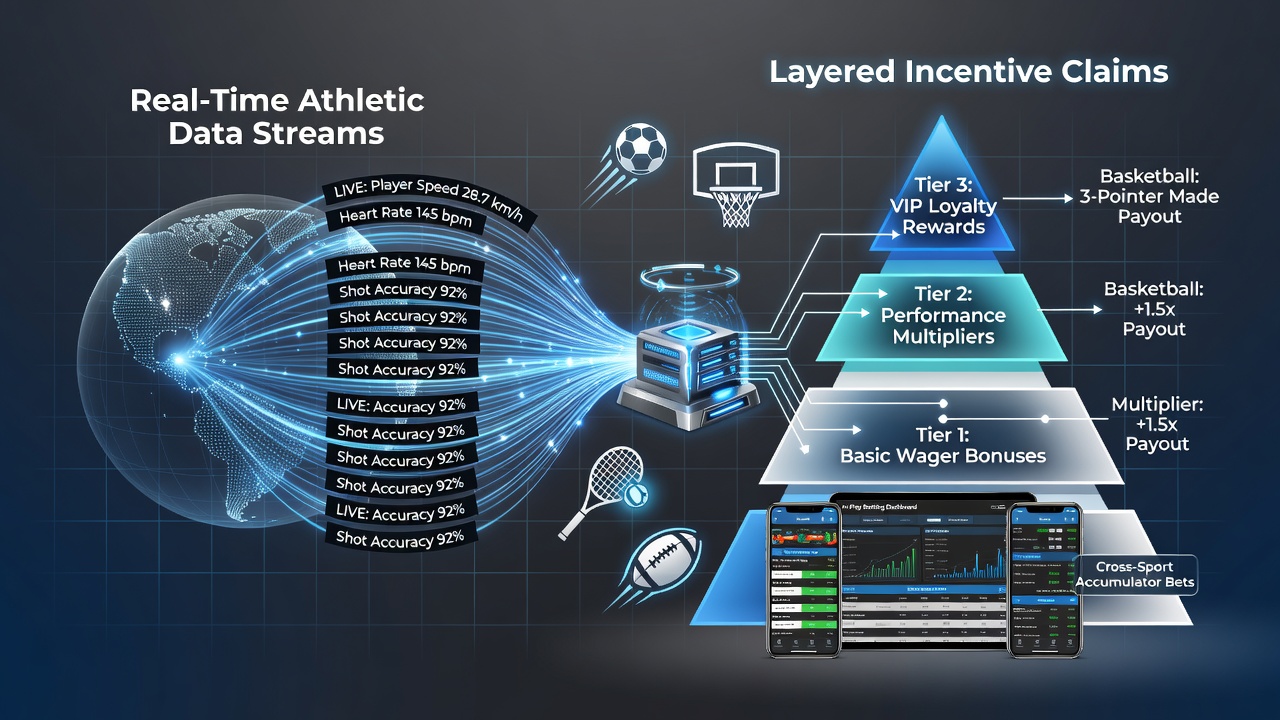
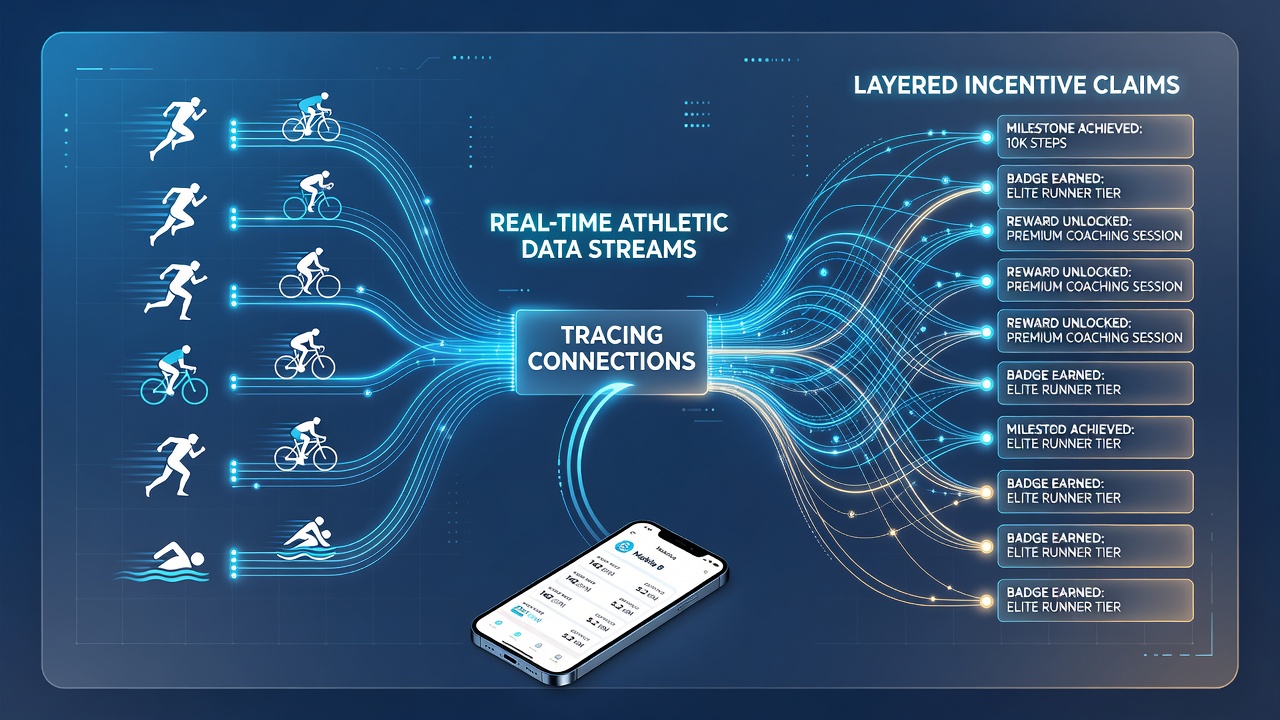
Real-time athletic data streams flow from stadium sensors, player tracking systems, and official league feeds directly into mobile betting applications, and these streams connect to layered incentive claims that unlock rewards based on live match conditions across football, basketball, tennis, and other disciplines. Platforms process thousands of data points per second during events, while algorithms match fluctuations in performance metrics to promotional triggers that release cashback, bonus bets, or loyalty points. Observers note that this integration has expanded since the mid-2020s as operators seek to retain users through dynamic offers tied to actual gameplay developments rather than static pre-match promotions.
Data Acquisition and Transmission Across Sports
Leagues supply structured data feeds that include player positions, ball trajectory, and event timestamps, and mobile applications receive these inputs through application programming interfaces maintained by specialized providers. In basketball, shot location and defensive metrics update continuously, whereas tennis platforms track serve speeds and rally durations that influence available claims. Soccer fixtures generate additional layers through possession percentages and pass completion rates that trigger specific reward tiers when thresholds are met. Research from industry reports indicates that transmission latency has dropped below two seconds in most major markets, allowing claims to activate within the same play sequence that generates the underlying data point.
Equipment manufacturers embed sensors in uniforms and equipment, and governing bodies validate the accuracy of these readings before distribution to betting operators. One documented implementation in North American professional leagues demonstrated that combining optical tracking with radio frequency identification produced consistent datasets used by both broadcast graphics and wagering systems simultaneously. Data compiled through October 2026 shows continued investment in redundant transmission paths that maintain continuity even during high-traffic periods such as playoff rounds or international tournaments.
Layered Incentive Mechanisms in Mobile Applications
Operators structure incentives in tiers that activate sequentially based on cumulative or event-specific conditions, and real-time data determines whether a user progresses from one layer to the next. A base layer might release a small stake credit after a team reaches a certain score threshold, while subsequent layers require additional metrics such as three-point accuracy in basketball or break-point conversion in tennis. These structures appear in applications serving multiple sports because the underlying data protocols share common formatting standards that simplify cross-league implementation.
Users receive notifications when a new layer becomes available, and the same data stream that updates live odds also recalculates eligibility for the next reward level. Figures from regulatory filings reveal that participation rates in these layered programs increase during live events compared with pre-match offers, because the timing aligns directly with observable athletic developments. Platforms maintain audit logs that record both the data input and the corresponding claim activation to satisfy compliance requirements in licensed jurisdictions.
Cross-Sport Platform Integration Patterns
Applications designed for multiple sports consolidate data streams into unified user interfaces that display active incentives alongside relevant athletic statistics, and this consolidation reduces the need for separate applications per league. A single dashboard can show basketball rebound totals next to soccer corner counts when both events run concurrently, while the backend matches each metric to its corresponding reward structure. Engineers configure rule engines that apply sport-specific logic without requiring users to switch contexts during simultaneous matches.
Developers test these connections extensively because timing mismatches between data arrival and claim processing can create user complaints or regulatory scrutiny. Testing protocols include simulated network delays and partial data loss scenarios to verify that layered incentives resolve correctly once full feeds resume. Academic studies on system reliability highlight that operators using distributed ledger technology for claim verification achieve faster reconciliation across different sporting calendars.
Regulatory and Compliance Considerations
Jurisdictions require operators to demonstrate that incentive claims rest on verifiable data sources rather than proprietary calculations, and this requirement drives partnerships with league-approved data providers. The American Gaming Association publishes periodic summaries of responsible gaming standards that address real-time promotional mechanics, while European regulators examine transparency in how data triggers bonus eligibility. Separate oversight bodies in Australia and Canada maintain distinct reporting frameworks that operators must satisfy when offering layered claims to residents of those regions.
Compliance teams review historical data logs to confirm that claims activated only after the documented athletic event occurred, and automated systems flag discrepancies for manual review. These processes operate continuously because events occur across multiple time zones and sports calendars rarely align. Documentation from regulatory submissions shows that operators maintain separate audit trails for each sport to accommodate varying data formats and verification standards.
Conclusion
Connections between real-time athletic data streams and layered incentive claims continue to evolve as mobile platforms incorporate additional metrics from emerging sports and refined tracking technologies. Operators rely on standardized data protocols to maintain consistent claim logic across football, basketball, tennis, and other events, while regulatory frameworks ensure that activations remain tied to documented outcomes. The architecture supports simultaneous handling of multiple live markets without requiring users to manage separate applications or incentive structures.