Synchronizing App Alerts with Live Probability Swings in Basketball and Equine Events to Maximize Layered Reward Structures
Logan Reed · Aug 21, 2026
Synchronizing App Alerts with Live Probability Swings in Basketball and Equine Events to Maximize Layered Reward Structures
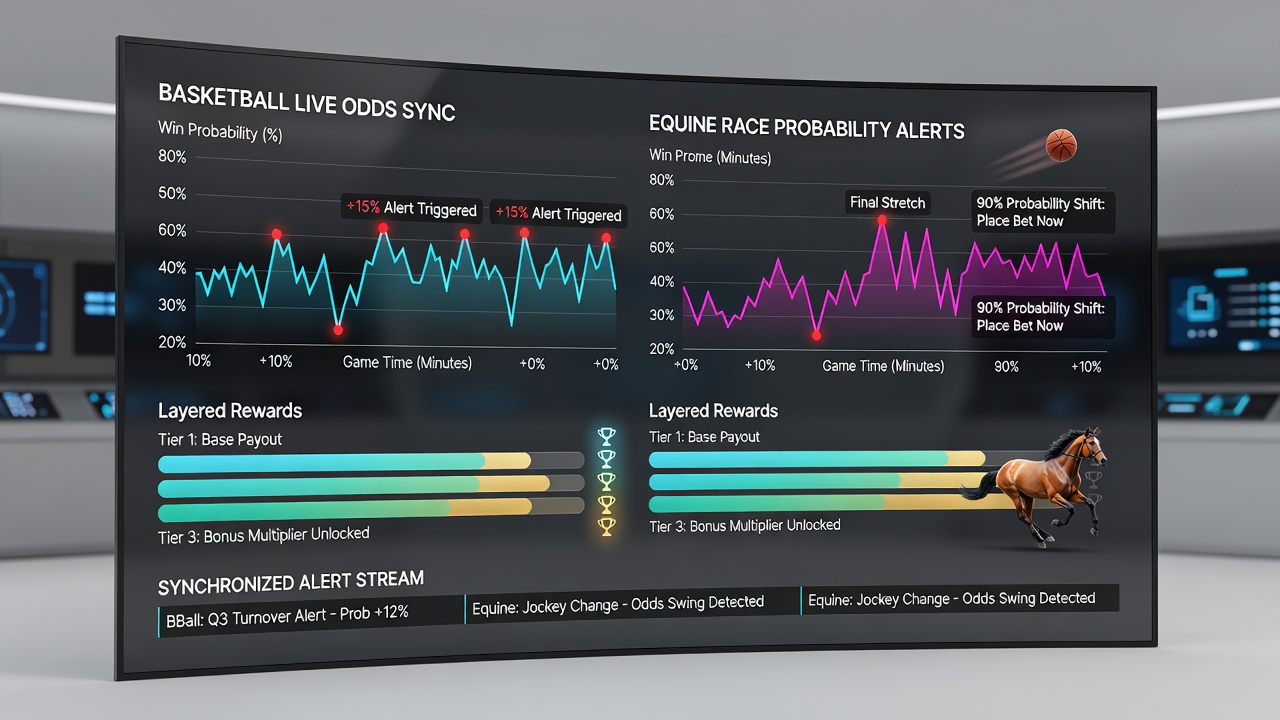
Data from sports analytics platforms shows that probability swings in basketball games and equine competitions occur rapidly during live play, with shifts often exceeding 15 percent in under two minutes according to performance tracking systems. Observers note that mobile applications now integrate real-time data feeds to detect these movements and trigger targeted alerts that align with bonus structures offered by operators. Those who study betting technology report that synchronization relies on APIs pulling from official scoreboards and timing systems, allowing the software to match alert timing with fluctuations in implied probabilities derived from current scores, player statistics, and track conditions.
Mechanics of Live Probability Tracking
Basketball events generate frequent probability recalculations because points accumulate in quick succession while time remaining and possession change affect outcome models continuously. Equine races present different patterns where early positioning, pace fractions, and late surges alter projected results in distinct phases of the event. Research indicates that layered reward structures combine deposit bonuses, cashback tiers, and performance multipliers, each of which activates only when specific probability thresholds are crossed during the contest. App developers configure notification engines to monitor these thresholds and deliver messages that reference the exact reward layer available at that moment, reducing the delay between swing detection and user action.
Alert Configuration and Data Integration
Configuration begins with user-selected parameters that define acceptable swing magnitudes and preferred event types, after which the application subscribes to live data streams from multiple venues simultaneously. When a basketball team extends a lead beyond a modeled breakpoint or a horse improves its position on the final turn, the system recalculates probabilities and compares them against stored reward rules. Alerts then surface through push notifications or in-app banners that display both the updated probability and the corresponding reward multiplier, allowing direct navigation to the active market. Industry reports from the European Gaming and Betting Association highlight that such integrations have expanded across platforms since 2024, with further refinements scheduled for release windows in August 2026 that include enhanced latency reduction for international feeds.
Layered Reward Activation Patterns
Layered structures typically stack an initial welcome bonus with ongoing loyalty tiers and event-specific multipliers that scale according to the magnitude of probability movement. For instance, a 20 percent swing toward the underdog in a basketball quarter may unlock an additional cashback percentage, whereas a comparable shift in an equine event during the stretch run might activate a separate accumulator enhancement. Data compiled by the Nevada Gaming Control Board shows that operators record higher engagement rates when alerts explicitly state which reward layer becomes accessible at each detected swing, rather than providing generic notifications. Synchronization therefore requires precise mapping between probability models and the operator’s backend rules engine so that the displayed message matches the actual terms active at that instant.
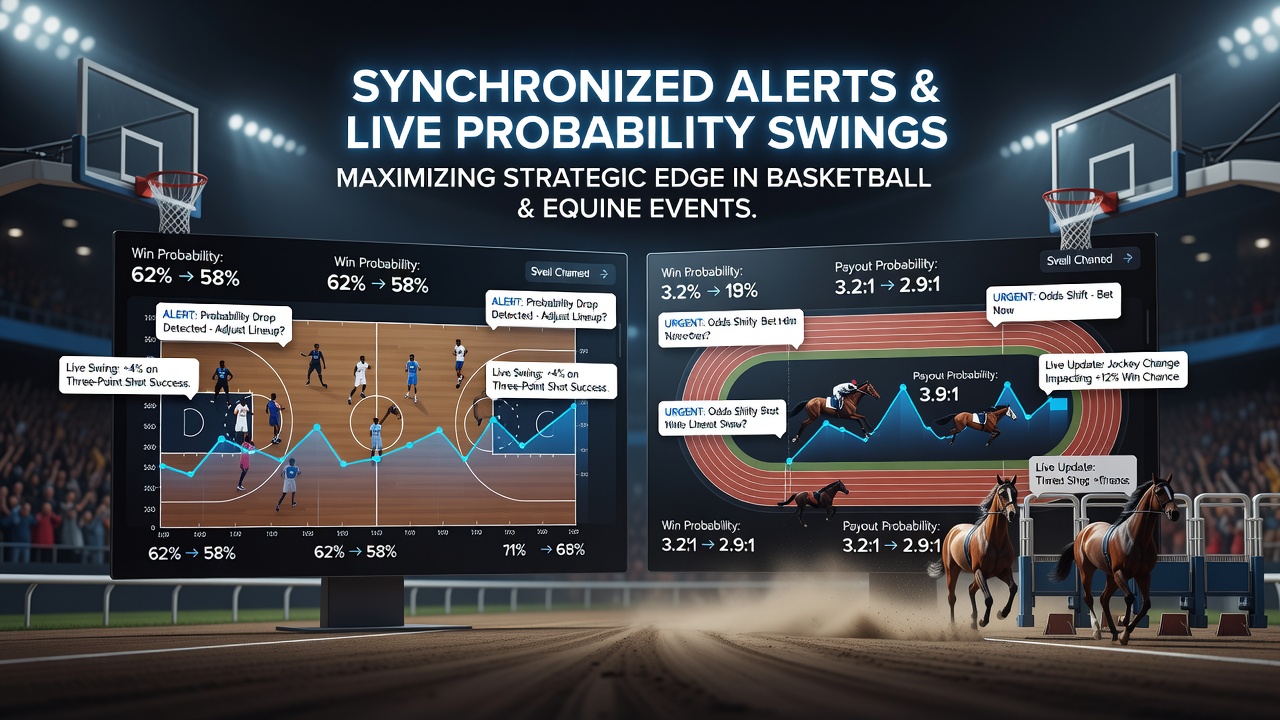
Developers achieve this mapping through rule-based scripting that references both historical swing data and current market liquidity, ensuring alerts avoid false positives during minor fluctuations that fall below reward thresholds. Those who analyze user behavior patterns find that participants who receive synchronized alerts maintain longer sessions because the information arrives while the opportunity remains actionable, rather than after the window has closed.
Regional Regulatory Context and Technology Standards
Regulatory frameworks in multiple jurisdictions require that probability calculations remain transparent and that alerts do not misrepresent available rewards. The Malta Gaming Authority has published technical standards that address latency limits and data accuracy for live betting interfaces, while the New Jersey Division of Gaming Enforcement maintains similar guidelines focused on consumer protection during rapid market changes. Academic studies from sports science departments at several universities have examined the statistical reliability of probability models used in both basketball and thoroughbred racing, confirming that ensemble methods combining multiple data sources reduce variance in swing detection. These findings support the continued refinement of alert timing algorithms that operators plan to deploy during major tournaments scheduled for August 2026.
Conclusion
Synchronization of app alerts with live probability swings depends on accurate data pipelines, clearly defined reward rules, and regulatory compliance across jurisdictions. Observers tracking platform updates note that continued improvements in feed latency and model precision will determine how effectively users can respond to movements in basketball and equine markets. Figures from industry monitoring services reveal steady growth in the deployment of such systems, driven by the need to match alert delivery with the dynamic nature of layered reward structures.