From Track to Court: Mapping Data Streams to Strategic Wager Adjustments in Live Athletic Markets
Rosa Vogel · Oct 7, 2026
From Track to Court: Mapping Data Streams to Strategic Wager Adjustments in Live Athletic Markets
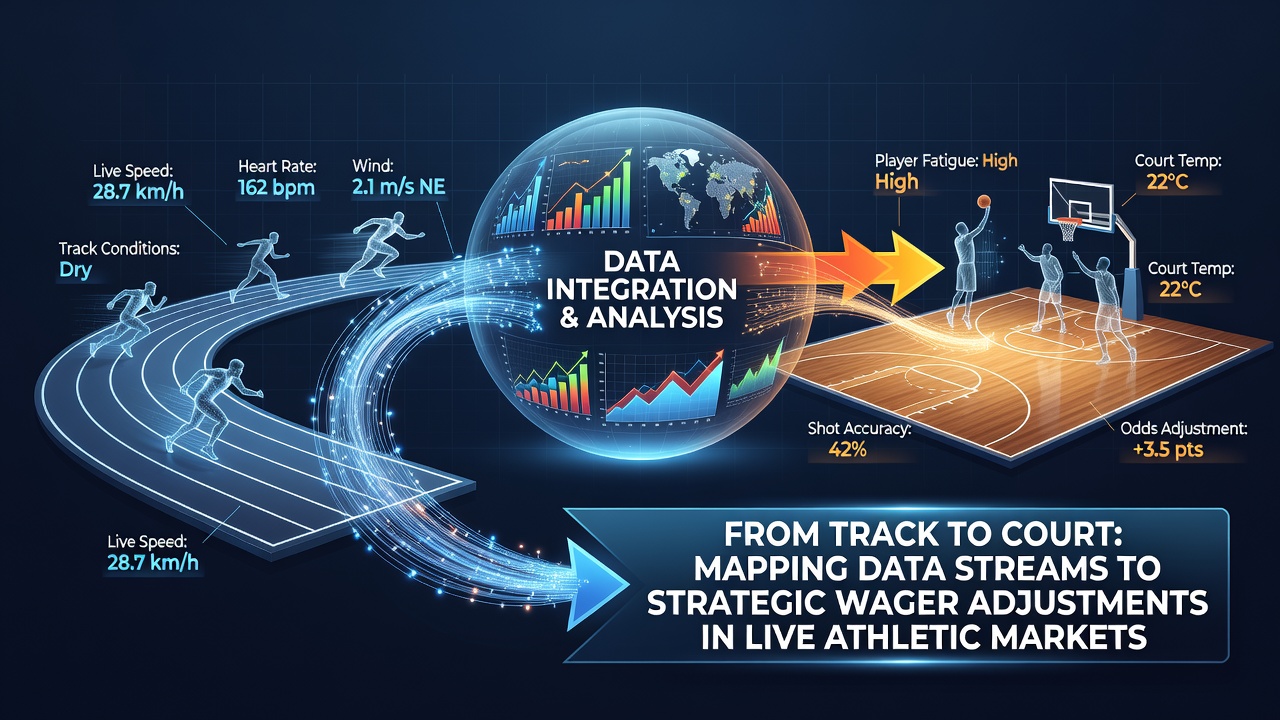
Data streams in live athletic markets originate from multiple inputs including player tracking systems, venue sensors, and broadcast feeds, while operators combine these elements to inform wager adjustments across events from thoroughbred racing to court-based competitions. Researchers at institutions such as the University of Nevada Las Vegas have documented how these inputs create layered datasets that reflect momentum shifts, injury updates, and environmental factors during ongoing matches.
Core Components of Athletic Data Mapping
Operators receive structured feeds from optical tracking cameras in basketball arenas alongside GPS collars on equine athletes, and these sources generate velocity metrics, positional coordinates, and fatigue indicators that update at sub-second intervals. Analysts then align the incoming values with historical performance baselines to identify deviation thresholds that trigger specific stake recalibrations in active betting interfaces. The process requires synchronization between disparate timing protocols because a horse race clock operates differently from the shot-clock mechanics in professional basketball leagues.
Integration Across Track and Court Environments
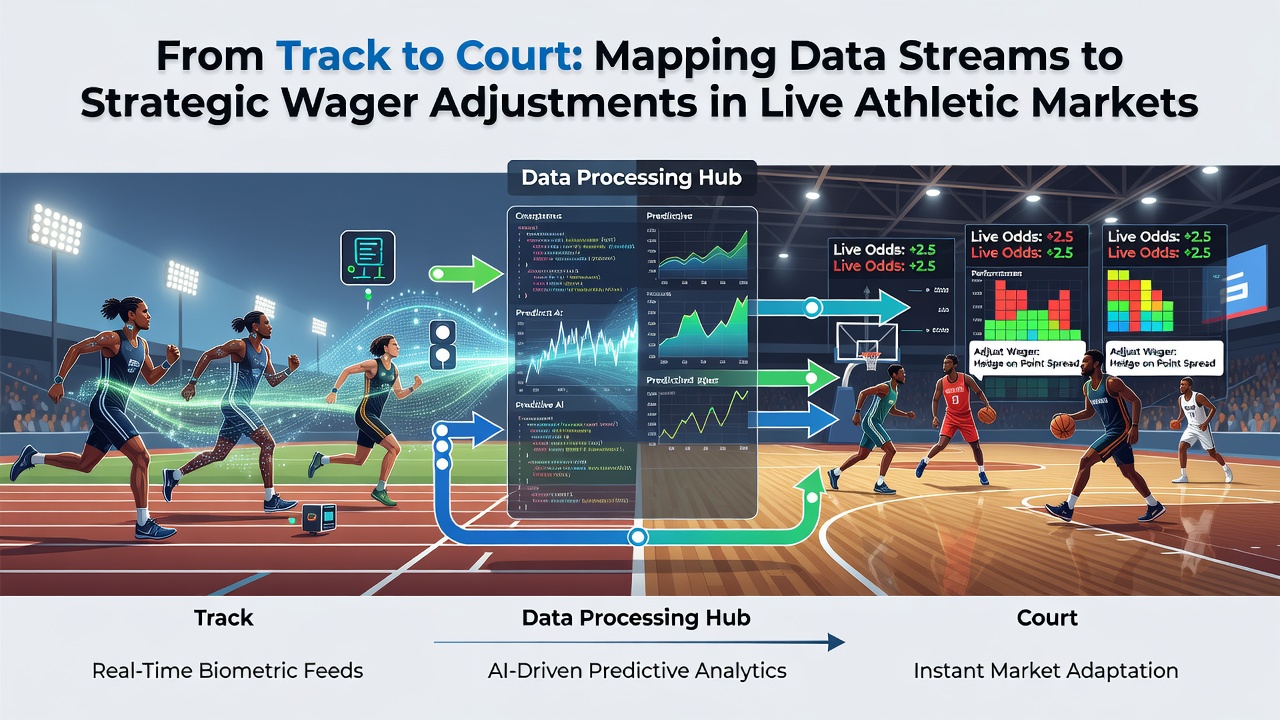
Mapping protocols convert raw telemetry into probability matrices that betting platforms apply directly to live odds, and this conversion occurs through algorithmic layers that weigh recent sequence data against longer-term seasonal trends. In October 2026 several North American sportsbooks expanded their use of standardized application programming interfaces to pull unified data from both racing authorities and court sport leagues, which reduced latency between event occurrence and displayed odds changes. Those who manage these systems note that thoroughbred stride length variations can correlate with late-race energy expenditure patterns in ways that parallel how tennis serve velocity declines influence point-win percentages during extended rallies.
Regulatory bodies including the Nevada Gaming Control Board publish annual summaries that detail the volume of real-time data transactions processed through licensed platforms, and these figures show steady growth in markets that combine multiple athletic disciplines under single account interfaces. Industry reports from the European Gaming and Betting Association similarly track how cross-sport data aggregation tools affect settlement speeds for in-progress wagers.
Adjustment Mechanisms in Practice
Stake recalibration follows defined sequences where an initial data spike, such as an unexpected change in court surface grip readings, prompts a review of correlated variables before any modification to active positions occurs. Platforms employ decision trees that evaluate whether the incoming signal exceeds predefined confidence intervals derived from prior event archives, and this evaluation determines whether to widen or narrow available lines. Observers note that equine markets often exhibit faster adjustment cycles because race durations remain shorter than basketball quarters or tennis sets, yet the underlying statistical models share common structures for handling variance spikes.
Case documentation from Canadian provincial gaming commissions illustrates instances where combined data pipelines allowed operators to adjust live propositions within three seconds of a documented performance shift, and these timelines reflect improvements in fiber-optic connectivity between venues and central servers. Analysts compare such examples with earlier periods when manual verification steps extended response times beyond ten seconds, highlighting measurable efficiency gains from automated mapping routines.
Technical Considerations for Cross-Market Platforms
Database architectures store time-stamped event logs that permit retrospective audits of how particular data points influenced specific wager modifications, and these logs support compliance reviews required by multiple jurisdictions. Software frameworks incorporate checksum protocols to verify data integrity during transmission from trackside timing systems to centralized odds engines, while similar safeguards apply to court-based sensor networks. The resulting consistency enables participants to review adjustment histories through account dashboards that display both the triggering metric and the resulting line movement in a single view.
Academic papers from Australian universities have examined latency distributions across international data routes, revealing that geographic proximity between event locations and processing centers remains a primary factor in maintaining sub-second synchronization. Such studies provide quantitative baselines that operators reference when expanding coverage to additional athletic disciplines.
Conclusion
Mapping techniques continue to evolve through iterative refinement of integration standards that connect track-derived metrics with court-based performance indicators, and the documented outcomes include faster settlement processes alongside expanded audit capabilities. Figures from regulatory summaries released through 2026 demonstrate sustained investment in these infrastructures across multiple regions, while the underlying principles of threshold-based recalibration remain consistent regardless of the athletic discipline involved.