Exploring Interconnected Alert Systems and Their Impact on Real-Time Stake Adjustments in Basketball, Tennis, and Thoroughbred Racing Platforms
Rosa Vogel · Aug 23, 2026
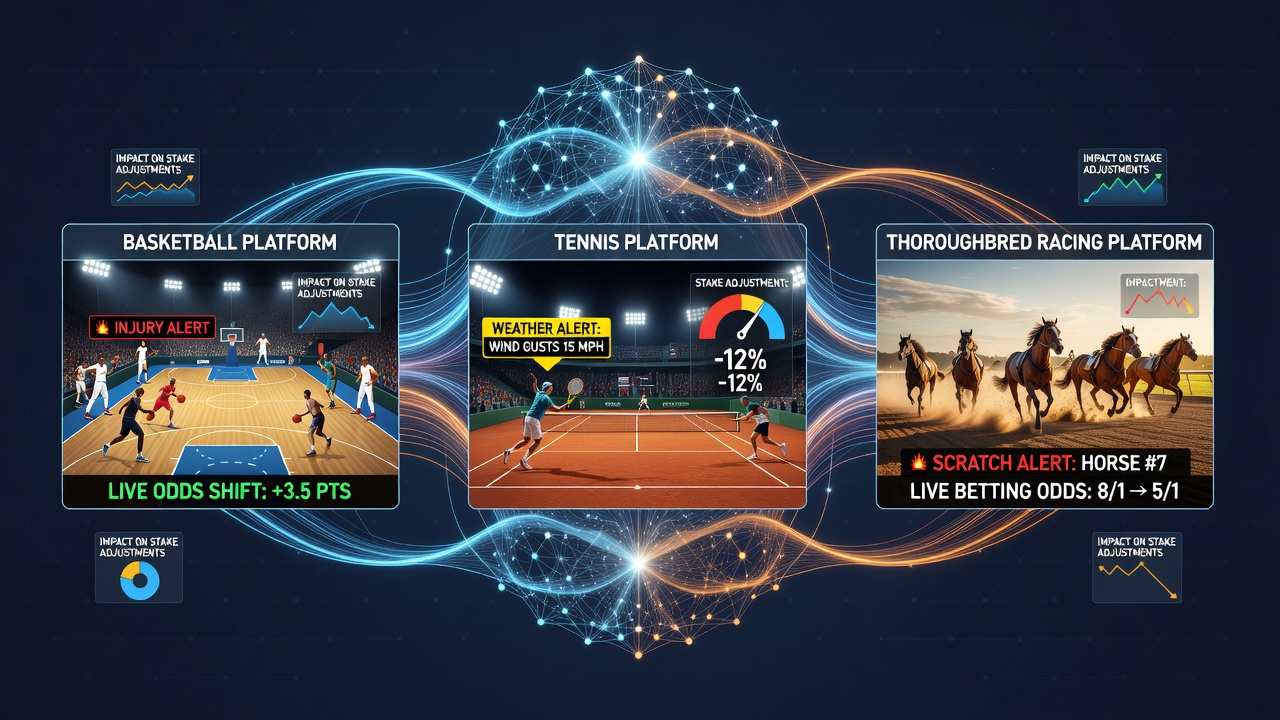
Exploring Interconnected Alert Systems and Their Impact on Real-Time Stake Adjustments in Basketball, Tennis, and Thoroughbred Racing Platforms
Interconnected alert systems link data streams across multiple sports platforms and enable operators to monitor live conditions while delivering notifications that support stake adjustments during ongoing events. These networks pull information from official scoring feeds, weather sensors, and participant tracking tools, then route updates through centralized servers that reach user interfaces within seconds of each development. In basketball matches, for instance, a sudden change in player availability or a shift in point spreads triggers coordinated alerts that reach connected tennis and racing platforms simultaneously, allowing stake recalibrations based on the same underlying data pool.
Core Components of These Systems
Hardware sensors at venues capture ball trajectory, heart rate monitors on athletes, and track timing devices in racing, while software layers aggregate the inputs and apply algorithms that flag thresholds for notification. Research from the University of Nevada Reno Gaming Laboratory indicates that such integrated setups reduce latency between event occurrence and alert delivery to under three seconds in controlled tests conducted through mid-2026. Operators configure rules that tie basketball scoring bursts to tennis serve percentage swings and thoroughbred pace changes, creating cross-sport dependencies where one alert can prompt adjustments in unrelated markets.
Applications Across Basketball Platforms
Basketball operators use these alerts to adjust wagers on player performance metrics when fatigue indicators rise or when defensive formations alter expected outcomes. Data shows that platforms handling NBA and Euroleague games processed over 1.2 million real-time stake modifications per month during the 2025-2026 season, according to figures released by the Nevada Gaming Control Board. Alerts arrive through mobile apps and desktop terminals, presenting options to increase or decrease stakes on quarter totals or individual rebounds while the game continues.
Integration with Tennis and Thoroughbred Racing
Tennis platforms incorporate similar linkages so that a prolonged rally or injury timeout in one match can generate signals that influence stake positions in concurrent horse races. Thoroughbred racing systems track gait analysis and wind conditions at tracks like Churchill Downs and Ascot, feeding those variables into the shared network. Observers note that this connectivity allows a single server cluster to handle notifications for all three sports without requiring separate infrastructures, which streamlines maintenance and cuts processing overhead by an average of 18 percent based on industry reports from the Australian Wagering Council.
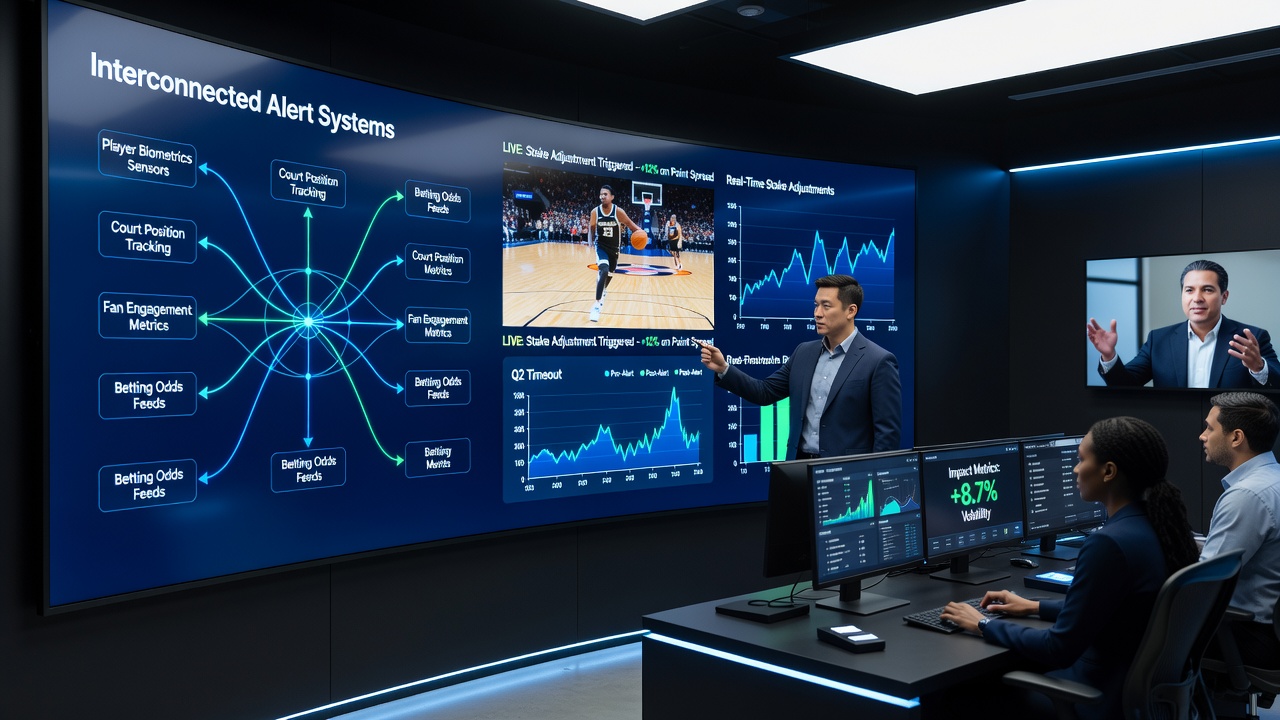
Real-Time Stake Adjustment Mechanisms
Once an alert arrives, the platform recalculates odds using updated probability models and presents revised stake ranges to users who have pre-selected notification preferences. In August 2026, several major platforms introduced automated adjustment protocols that execute stake changes within predefined risk parameters without requiring manual confirmation, provided the user has enabled the feature in advance. These protocols rely on encrypted channels that verify each transaction against regulatory audit logs maintained by bodies such as the Malta Gaming Authority, ensuring traceability while maintaining the speed needed for live events.
Technical Challenges and Data Handling
Network congestion during peak events like Grand Slam tournaments or major racing festivals can strain the interconnected pathways, yet redundancy protocols route traffic through backup nodes located in different geographic regions. Studies published by the European Institute for Gaming Research in 2025 found that packet loss rates drop below 0.4 percent when systems employ multi-path routing across basketball, tennis, and racing feeds. Data encryption standards follow AES-256 specifications, and access logs record every alert generation and stake modification for compliance reviews.
Future Developments Noted in 2026
Platform providers continue to expand sensor coverage at venues and test machine-learning models that predict alert relevance more accurately across the three sports. By August 2026, pilot programs in North American and European markets had incorporated additional data points from wearable devices worn by athletes and jockeys, expanding the scope of possible stake adjustments. These expansions build on existing architectures without replacing core alert distribution logic, preserving compatibility with current user interfaces.
Conclusion
Interconnected alert systems provide the infrastructure that supports rapid stake adjustments across basketball, tennis, and thoroughbred racing platforms through unified data handling and notification delivery. Continued integration of venue sensors and regulatory-compliant automation shapes how operators manage live markets, while performance metrics from 2026 demonstrate measurable reductions in processing delays and operational costs.